
Roof ice dam prevention protects your home from water damage, structural deterioration, and costly repairs that ice dams cause every winter. Learning how to prevent ice dams on your roof saves you from dealing with interior leaks, ruined insulation, and mold growth. Ice dam damage destroys shingles, gutters, and interior finishes while creating conditions for rot that weakens your roof structure. Furthermore, ice dam roof damage often goes unnoticed until spring when the full extent of water intrusion becomes visible. Ice dam removal becomes necessary when prevention fails and ice has already formed along your roof edges. In addition, knowing how to remove ice dams safely prevents further damage to your shingles and gutters during the process. Understanding ice dam causes helps you address the root problem rather than treating symptoms year after year.
Likewise, knowing what causes ice dams reveals that most ice dam problems trace back to heat loss through the attic. If ice dams form on your roof every winter, search for roof ice dam prevention near you to get professional help before the next freeze.
What Ice Dams Are and How They Form
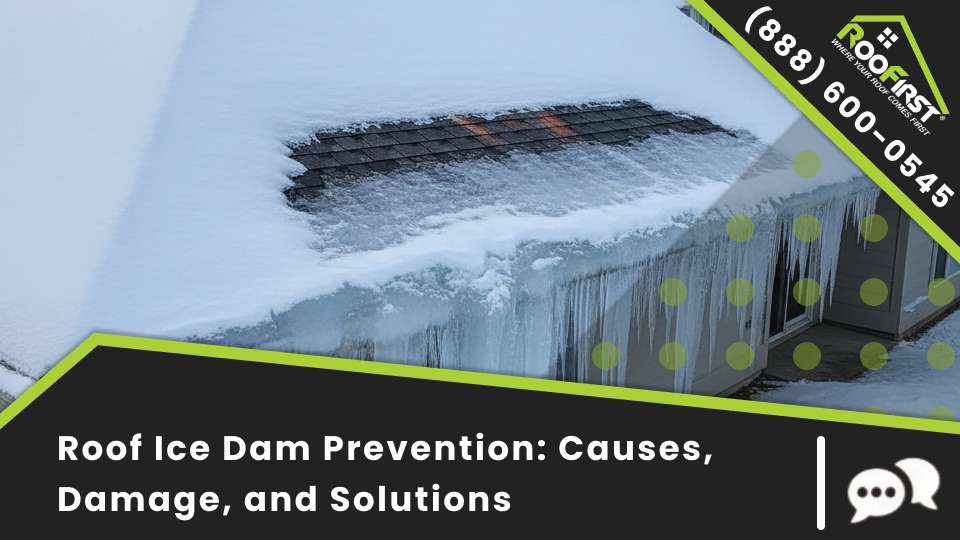
Ice dams are ridges of ice that form along the edges of your roof and prevent melting snow from draining off. Specifically, understanding the formation process reveals why some homes get ice dams and others do not.
Here is how ice dams form step by step:
- Heat from inside your home rises into the attic and warms the roof deck
- Snow on the warmed upper roof melts even when outside temperatures are below freezing
- Melted water runs down toward the colder eaves and overhangs
- Water refreezes at the cold eaves creating a ridge of ice along the roof edge
- Additional meltwater backs up behind the ice ridge and pools on the roof surface
- Pooled water seeps under shingles and into the roof deck causing leaks
Because ice dams result from uneven roof temperatures, they are a symptom of heat loss through your attic. Therefore, effective roof ice dam prevention addresses the heat loss rather than just the ice.
What Causes Ice Dams on Your Roof
Understanding ice dam causes helps you target the right solutions. Furthermore, knowing what causes ice dams on your specific home prevents wasted money on fixes that do not address the root problem.
Insufficient attic insulation Thin or missing attic insulation allows heat from your living space to warm the roof deck. Consequently, the roof stays warm enough to melt snow continuously during cold weather. Furthermore, homes with less than 12 inches of attic insulation are at high risk for ice dam formation.
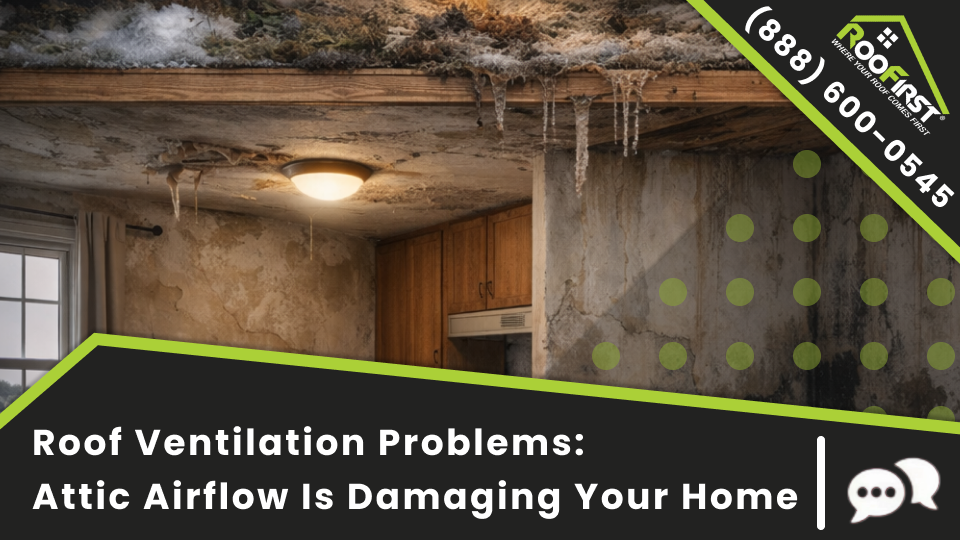
Poor attic ventilation Without proper ventilation, warm air trapped in the attic heats the roof from below. As a result, the entire roof surface stays warmer than the outside air. In addition, adequate ventilation requires balanced intake at the soffits and exhaust at the ridge.
Air leaks into the attic Gaps around light fixtures, plumbing stacks, chimney chases, and attic access doors allow warm air to enter the attic. Furthermore, these air leaks are often the biggest contributor to ice dam causes because they deliver concentrated heat directly to the roof deck.
Complex roof geometry Valleys, dormers, and multiple roof planes create areas where snow accumulates and drainage is restricted. Consequently, these features trap water behind ice formations more easily.
Signs of Ice Dam Damage
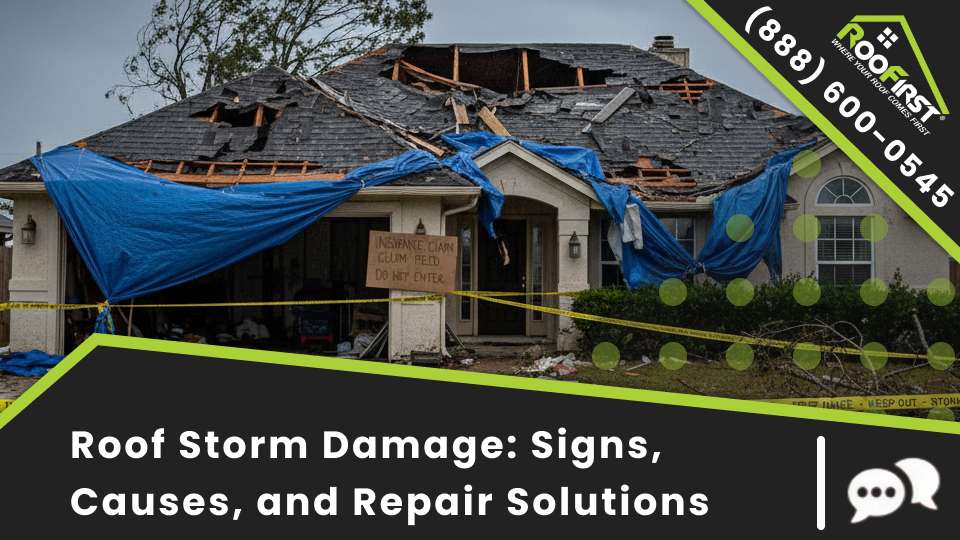
Ice dam damage develops during winter but often remains hidden until warmer weather arrives. Furthermore, ice dam roof damage affects both the exterior roofing system and your home’s interior.
Here are the most common signs of ice dam damage:
- Water stains or dripping on ceilings and walls during or after winter storms
- Also, icicles hanging from the gutters or along the roof edge
- Furthermore, ice forming behind the gutters or pushing gutters away from the fascia
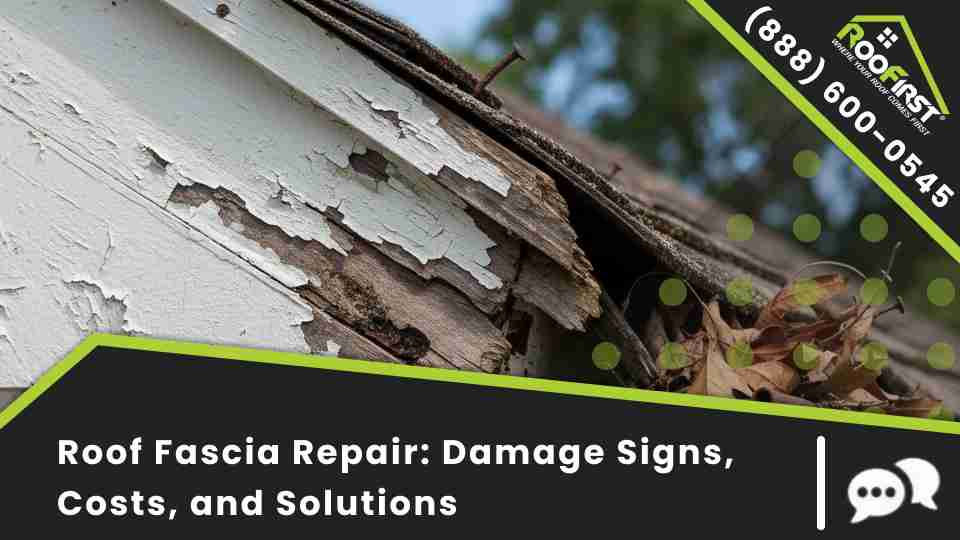
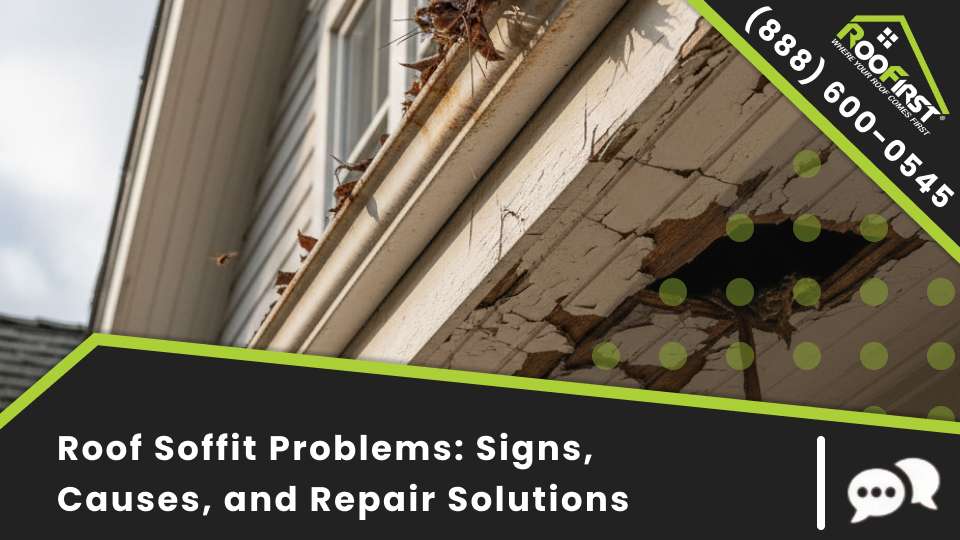
- Peeling paint or bubbling on exterior soffits and fascia boards
- Additionally, mold or mildew smell in the attic during spring
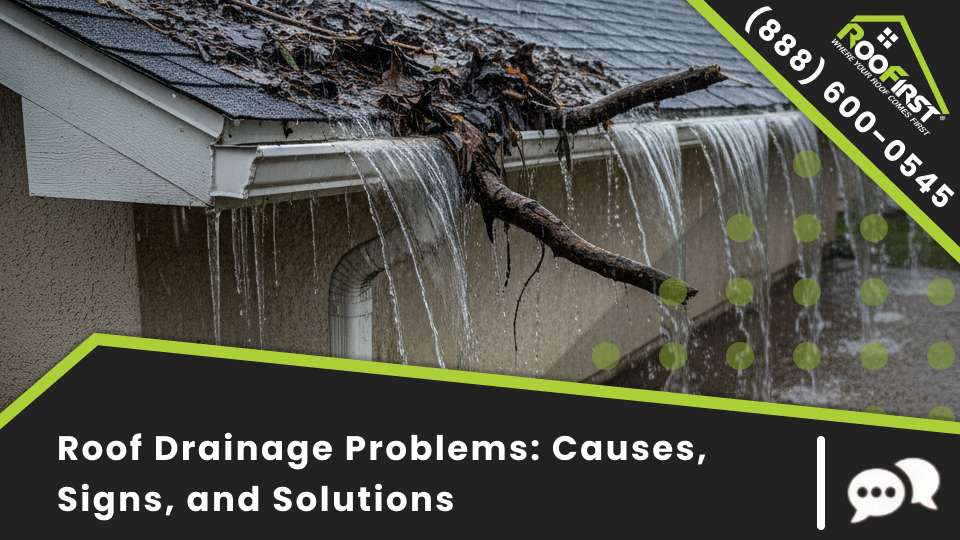
- Sagging or detached gutters from the weight of ice buildup
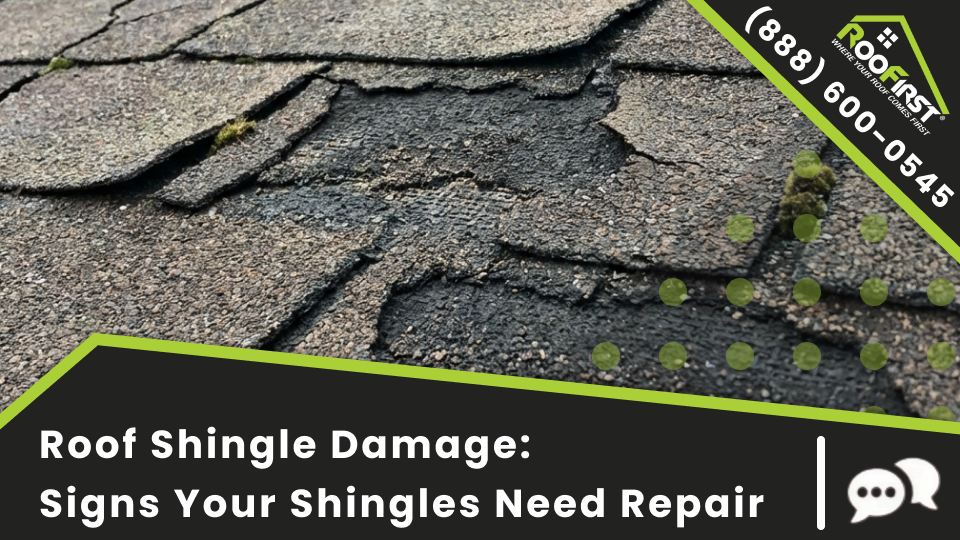
- Shingles that appear lifted, cracked, or missing along the lower roof edges
- Finally, water stains on attic insulation or the underside of the roof deck
If you notice any of these signs, ice dam roof damage may already be affecting your home’s structure. Consequently, a professional inspection identifies the full extent of the damage before it worsens.
How to Prevent Ice Dams on Your Roof
Roof ice dam prevention focuses on keeping your roof cold and uniform in temperature. Furthermore, learning how to prevent ice dams on your roof requires addressing insulation, ventilation, and air sealing together.
Increase attic insulation Adding insulation to reach R-49 or higher keeps heat inside your living space and out of the attic. Furthermore, blown-in cellulose or fiberglass fills gaps and covers framing members that conduct heat. In addition, proper insulation is the single most effective step for roof ice dam prevention.
Seal attic air leaks Sealing gaps around penetrations, ductwork, wiring holes, and the attic hatch stops warm air from entering the attic. Consequently, air sealing combined with insulation dramatically reduces heat transfer to the roof. Furthermore, a blower door test identifies hidden air leaks that visual inspection misses.
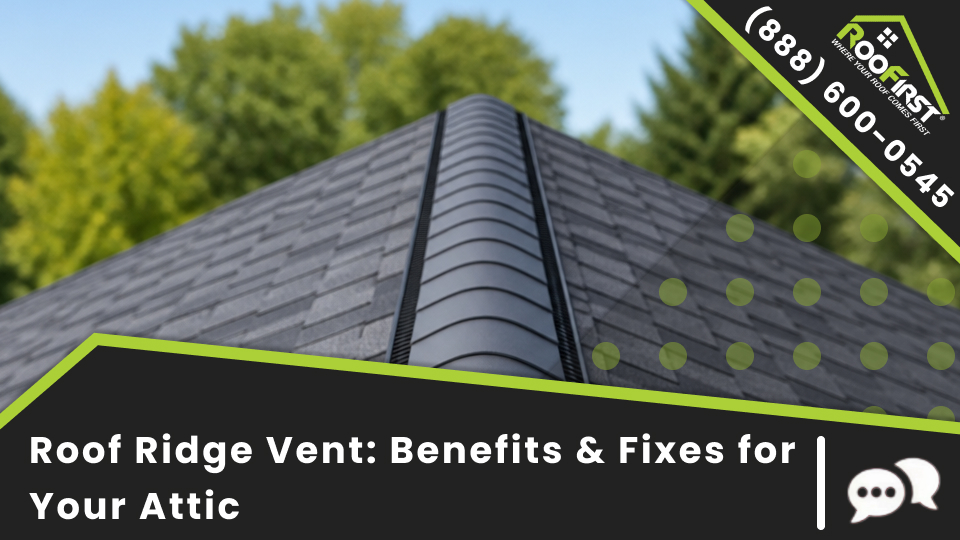
Improve attic ventilation Balanced ventilation with soffit intake vents and ridge or roof vents keeps the attic temperature close to outside temperature. Furthermore, ensure insulation does not block soffit vents by installing baffles in every rafter bay at the eaves. In addition, adequate ventilation removes any residual warm air before it can heat the roof.
Install ice and water shield membrane Self-adhesive waterproof membrane installed under shingles at the eaves provides a last line of defense if water backs up. Furthermore, building codes in cold climates require this membrane on the first three feet of roof from the eave edge.
Remove snow from the roof edge Using a roof rake to pull snow off the lower three to four feet of roof after each storm prevents the melt-freeze cycle. However, only use a roof rake from the ground and never climb onto an icy roof.
Ice Dam Removal Methods
Ice dam removal becomes necessary when ice dam causes happen and prevention measures have not been completed and ice has already formed; resulting in a need for ice dam removal. Furthermore, knowing how to remove ice dams safely protects your roof from additional damage during the process.
Calcium chloride ice melt Filling a nylon stocking with calcium chloride and placing it across the ice dam creates a channel for water to drain. Furthermore, calcium chloride does not damage shingles or gutters. However, never use rock salt as it damages roofing materials and kills plants below. This is the best solution for ice dam removal.
Professional steam removal Professional steam removal is the safest method for clearing ice dams without damaging shingles. Specifically, technicians use low-pressure steam that melts ice without impact force. Furthermore, steam removal costs between 300 and 600 dollars per visit.
What to avoid during removal Never chop, hammer, or chisel ice off your roof because this damages shingles and gutters. Furthermore, pressure washers cause more damage than the ice dam itself. In addition, never walk on an icy roof under any circumstances.
Long-Term Solutions for Ice Dam Prevention
Permanent roof ice dam prevention requires addressing the building envelope rather than treating symptoms. Furthermore, these long-term solutions eliminate ice dams for good.
Here are effective long-term solutions to prevent ice dams on your roof:
- Air seal every penetration between the living space and attic including around chimneys, plumbing vents, and recessed lights
- Also, upgrade attic insulation to meet or exceed current energy code requirements
- Furthermore, install continuous soffit vents with baffles and ridge vents for balanced ventilation
- Redirect bathroom exhaust fans to vent through the roof rather than into the attic
- Additionally, replace recessed lighting with IC-rated airtight fixtures
- Install heated roof cables along the eaves in severe climates
- Finally, consider metal roofing that sheds snow before ice dams can form
These solutions address what causes ice dams at the source. Consequently, proper insulation, air sealing, and ventilation eliminate the temperature differential that creates ice dams in the first place.
When to Call a Professional
Some ice dam situations require professional assessment and repair. Therefore, contact a professional for roof ice dam prevention near you if any of the following apply:
- Ice dams form on your roof every winter despite basic prevention efforts
- Water is leaking into your home through the ceiling or walls during winter
- Gutters are pulling away from the fascia or sagging under ice weight
- You need attic insulation, air sealing, or ventilation improvements
- Ice dam damage has already affected your shingles, decking, or interior finishes
- You want a comprehensive plan to eliminate ice dams permanently
A roof ice dam prevention expert near you evaluates your attic insulation, ventilation, and air sealing to identify where heat is escaping. Specifically, they use thermal imaging to pinpoint hot spots on the roof and recommend targeted fixes. In addition, they inspect for existing damage and provide a repair plan.
Do not wait for another winter of leaks and damage. Instead, call today to schedule your ice dam assessment and protect your home before the next freeze.
Phone: (888) 600-0545
Email: info@roofirst.com
Website: https://roofirst.com/