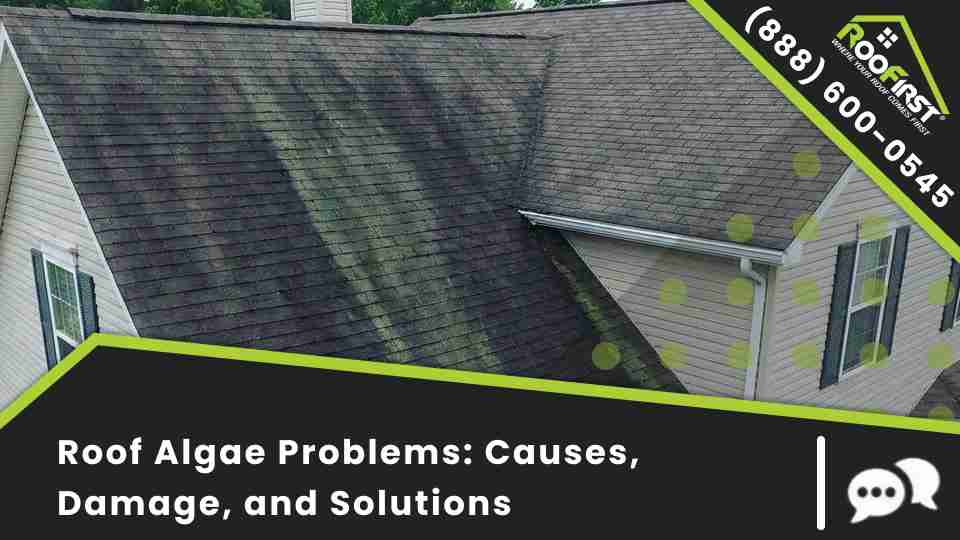
Roof algae problems are more common — and more damaging — than most homeowners realize. If you’ve spotted black streaks on your roof running down from the ridge toward the eaves, those dark stains on roof shingles are almost certainly roof algae, not dirt or soot. Left untreated, roof algae damage progresses from a cosmetic eyesore to active shingle deterioration that shortens the life of your roof by years. This guide explains exactly what causes algae on roof surfaces to take hold, walks through your roof algae removal options so you can clean algae off roof shingles safely and effectively, and covers the best strategies to prevent roof algae from coming back — including algae resistant shingles that stop the problem before it starts.
What Is Roof Algae and Why Does It Spread So Fast
The algae responsible for roof algae problems is a specific cyanobacterium called Gloeocapsa magma — a blue-green algae that feeds on the limestone filler used in modern asphalt shingles. It spreads through airborne spores that land on roof surfaces and establish colonies in moist, shaded conditions. Once algae on roof surfaces takes hold in one spot, wind and rainwater carry spores down the slope and to neighboring roofs, which is why entire neighborhoods often develop black streaks on roofs within a few years of the first case appearing.
Algae growth thrives in warm, humid climates and on north-facing or shaded roof sections that stay damp longer after rainfall. Roofs surrounded by overhanging trees are particularly vulnerable because shade limits UV exposure — the one natural force that suppresses algae growth on roof surfaces without human intervention.
Black Streaks on Roof: What You’re Actually Seeing
The characteristic black streaks on roof surfaces that homeowners notice are not the algae itself — they are the dark protective pigment the algae produces to shield itself from UV radiation. This pigmented coating is what makes algae staining so persistent and so visible. The streaks typically originate near the ridge where the first spores land and run downward in the direction of drainage, creating the long, dark stains on roof shingles that are visible from the street.
Many homeowners initially mistake black streaks on roof surfaces for dirt accumulation, mold, or shading from nearby trees. The key distinction is the pattern — algae creates long vertical streaks that follow the drainage path, while dirt accumulates in horizontal bands or around penetrations. If the streaks appeared gradually over one to two years and run from the peak downward, roof algae is almost certainly the cause.
Black streaks on roof shingles are easiest to spot in the morning when the roof surface is still damp, or after rainfall when moisture intensifies the contrast between stained and clean sections. Check from the ground with binoculars rather than walking the roof to assess the extent of the problem safely.
Roof Algae Damage: How Serious Is It Really
Roof algae damage is real, progressive, and significantly underestimated by homeowners who assume the black streaks are purely cosmetic. Here is how algae on roof surfaces causes measurable harm over time.
Granule loss and accelerated shingle aging
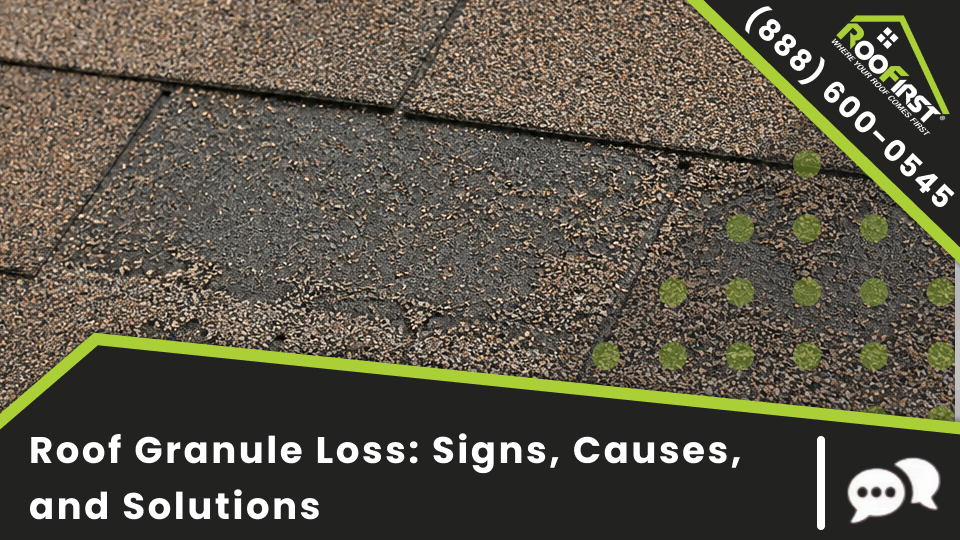
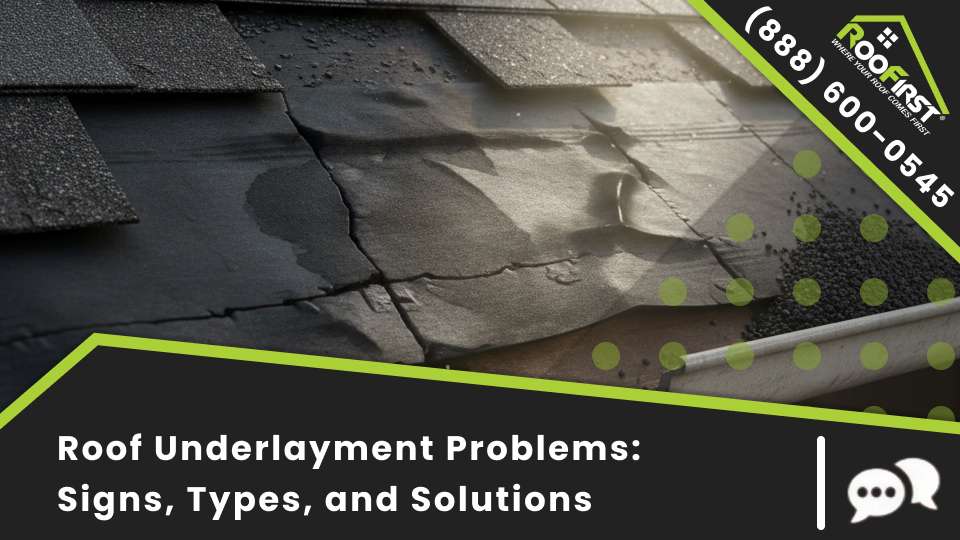
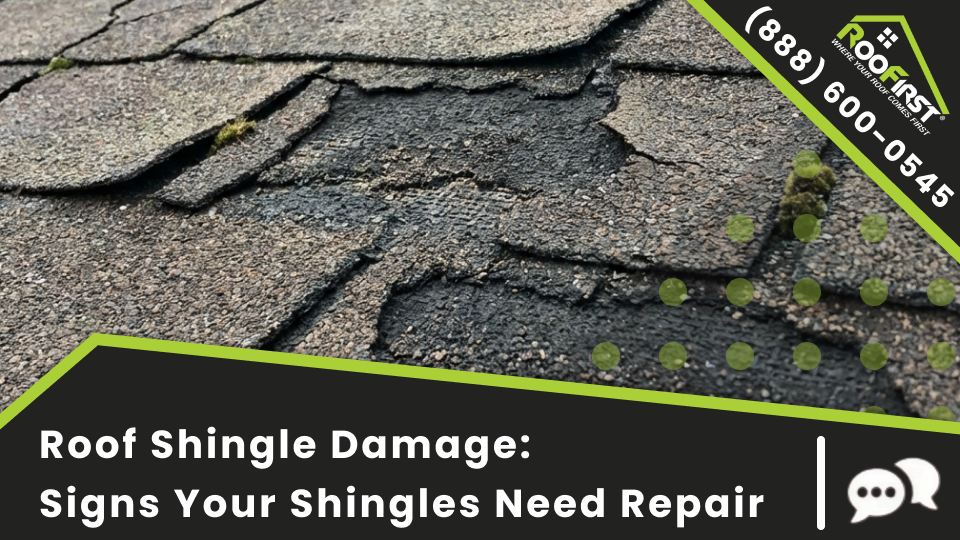
Algae colonies establish themselves beneath and between the mineral granules on asphalt shingle surfaces. As the colonies grow and expand, they lift and dislodge granules from the shingle surface. Granule loss is one of the most critical forms of roof algae damage because those granules serve as the shingle’s primary UV protection. Once granules are gone, the underlying asphalt is exposed directly to solar radiation and oxidizes rapidly — cracking, curling, and losing flexibility years before the shingle’s rated lifespan would otherwise expire.
Moisture retention and shingle deterioration
Algae colonies retain moisture against the shingle surface long after rain has dried from the surrounding roof. This chronic dampness accelerates shingle deterioration in two ways: it promotes further algae and moss growth on top of existing colonies, and it keeps the shingle substrate saturated in cycles of wet-and-dry stress that break down the asphalt binder over time. Algae shingle deterioration is a slow process — but it compounds season over season, and a roof that might have lasted 25 years in clean condition can lose five to eight years of service life from persistent algae growth.
Impact on home value and curb appeal
Black streaks on roof shingles are visible from the street and are among the first things a home inspector and a prospective buyer notice. Roof algae problems that have been left untreated for several years can directly affect a home’s appraised value and complicate a sale. Some buyers negotiate for roof replacement credits based solely on the appearance of dark stains on roof shingles, even when the structural integrity of the roof is otherwise sound.
Roof algae damage is not covered by most standard homeowner’s insurance policies because it is classified as a maintenance issue rather than sudden damage. Documenting regular roof algae removal and preventive treatments is the best protection against disputes over shingle condition during a home sale or claim.
Roof Algae Removal: Safe and Effective Methods
Roof algae removal requires the right chemistry and the right technique. Using the wrong approach — particularly pressure washing — can cause more damage than the algae itself by blasting granules off shingle surfaces and voiding manufacturer warranties.
The ARMA-recommended low-pressure wash method
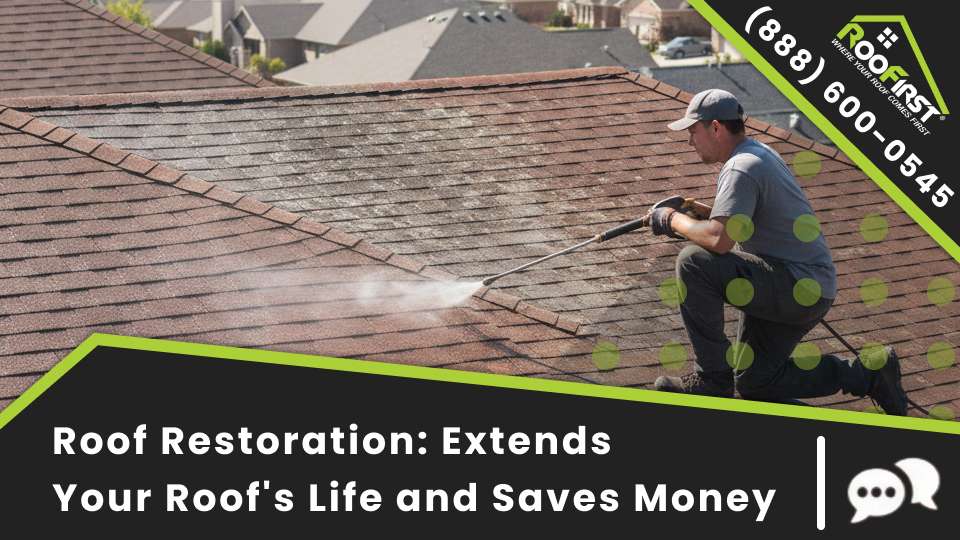
The Asphalt Roofing Manufacturers Association recommends a specific approach to clean algae off roof shingles safely: apply a solution of equal parts laundry-strength liquid chlorine bleach and water using a low-pressure garden sprayer, allow it to dwell on the surface for 15 to 20 minutes, then rinse with low-pressure water from a garden hose. This method effectively kills the algae colony and loosens the dark pigment coating without the granule damage that pressure washing causes.
It is important to wet down surrounding landscaping and cover plants before applying the bleach solution — runoff will damage or kill vegetation below the roofline. Rinse plants thoroughly after the roof wash is complete.
Commercial roof algae removal products
Several commercial roof algae removal products are formulated specifically for shingle-safe application, including oxygen bleach-based cleaners that are less harsh on surrounding plants than chlorine bleach. These products require a longer dwell time but are a good option for homeowners concerned about runoff affecting gardens or lawns. Follow manufacturer instructions precisely — leaving any cleaning solution on the roof longer than directed can damage the shingle surface.
Professional roof algae removal
For extensive roof algae problems — particularly where dark stains on roof shingles cover a large portion of the roof, or where the roof pitch makes safe access difficult — professional roof algae removal is the safest and most effective option. A roofing professional has the equipment to apply treatment evenly across the full roof surface, neutralize and rinse safely, and inspect for underlying roof algae damage to shingles and granule coverage at the same time.
Never pressure wash asphalt shingles to remove roof algae. High-pressure water strips granules, damages shingle tabs, voids manufacturer warranties, and can force water under shingle laps — creating the leak risk you were trying to avoid.
How to Prevent Roof Algae From Returning
Roof algae removal without prevention is a temporary fix. The same spore-rich environment that produced the first outbreak will produce another within two to four years unless preventive measures are in place. Here are the most effective strategies to prevent roof algae growth long-term.
Zinc or copper strips at the ridge
Metal ions from zinc and copper are naturally toxic to algae. Installing zinc or copper strip flashing along the ridge of the roof allows rainwater to carry trace amounts of metal ions down the slope with every rainfall, creating a continuous algae-suppressing treatment across the entire roof surface. This is one of the most cost-effective and long-lasting methods to prevent roof algae — a properly installed strip lasts ten or more years with no maintenance required.
Algae resistant shingles
Algae resistant shingles are now available from most major shingle manufacturers and are an excellent investment during any re-roof. These shingles incorporate copper granules embedded in the surface coating. The same metal-ion principle as strip flashing, built directly into the product. Algae resistant shingles carry manufacturer warranties of 10 to 25 years of algae protection and eliminate the need for periodic roof algae removal treatments over that period. If your current shingles are approaching the end of their lifespan, specifying algae resistant shingles during replacement is the most comprehensive way to prevent roof algae from ever becoming a problem again.
Trim overhanging tree branches
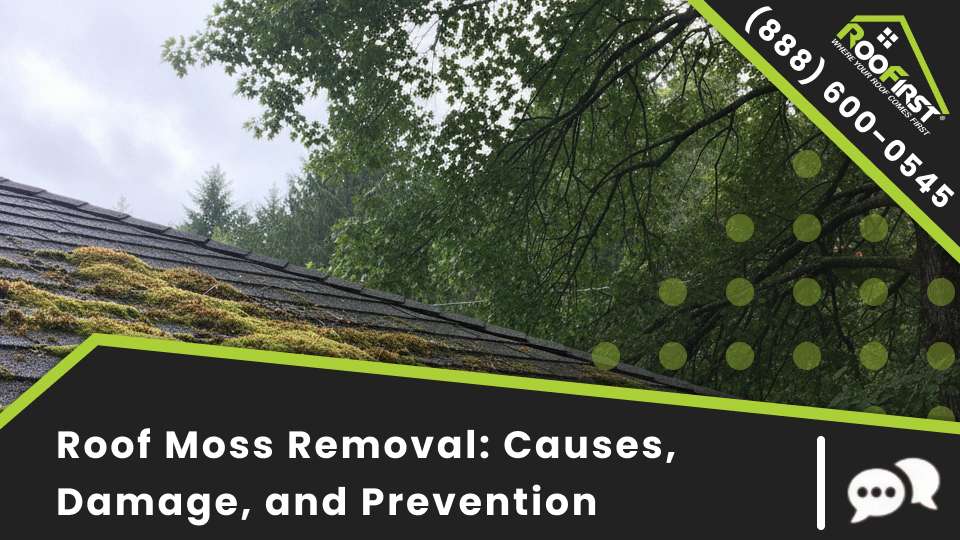
Shade is one of the primary conditions that allows algae on roof surfaces to establish and persist. Trimming tree branches that extend over the roof serves two purposes: it increases UV exposure on the shingle surface. Which naturally suppresses algae. and it reduces the volume of organic debris that accumulates on the roof and retains moisture. Even trimming branches to allow a few additional hours of direct sun per day can meaningfully reduce how quickly algae re-establishes.
Annual inspections and early treatment
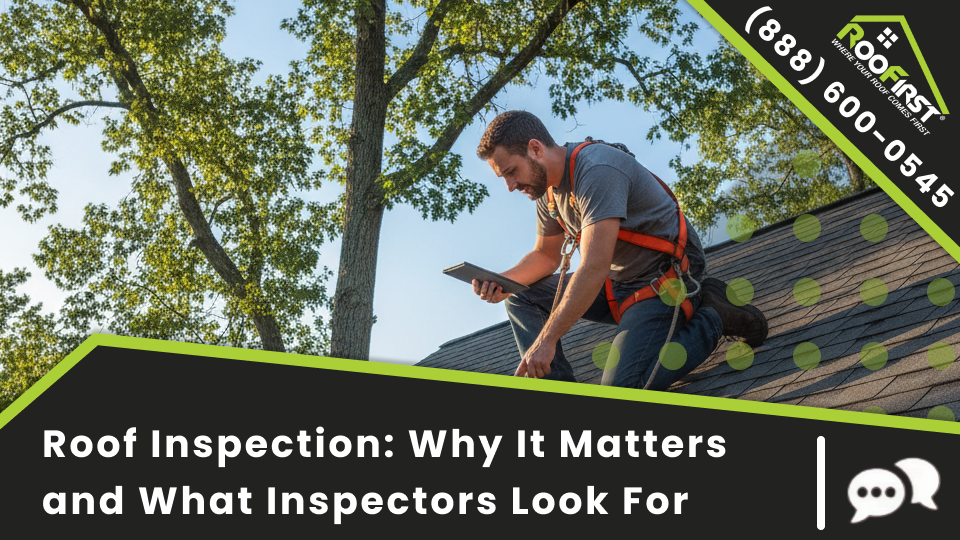
The most cost-effective approach to managing roof algae problems is catching new growth before it has time to cause measurable roof algae damage. A professional roof inspection once per year. especially in spring after the wet season. allows a technician to spot early algae colonies and treat them before dark stains on roof shingles become widespread. Early-stage roof algae removal is significantly less labor-intensive and less costly than treating a roof where algae has established across the majority of the surface.
Stop Roof Algae Problems Before They Shorten Your Roof’s Life
Roof algae problems that start as faint dark stains on roof shingles can progress to significant roof algae damage. granule loss, accelerated shingle aging, and reduced curb appeal. If they go untreated season after season. The good news is that roof algae removal is straightforward when done correctly, and the right preventive measures. zinc strips, algae resistant shingles, and annual inspections. can keep algae on roof surfaces from ever becoming a recurring problem.
Whether you’re looking at black streaks on your roof for the first time or you’ve been dealing with persistent algae staining for years, Roofirst can help. Contact us today to schedule a roof inspection, get a professional assessment of your roof algae damage, and put a prevention plan in place that protects your shingles for the long term.
Phone: (888) 600-0545
Email: info@roofirst.com
Website: https://roofirst.com/