
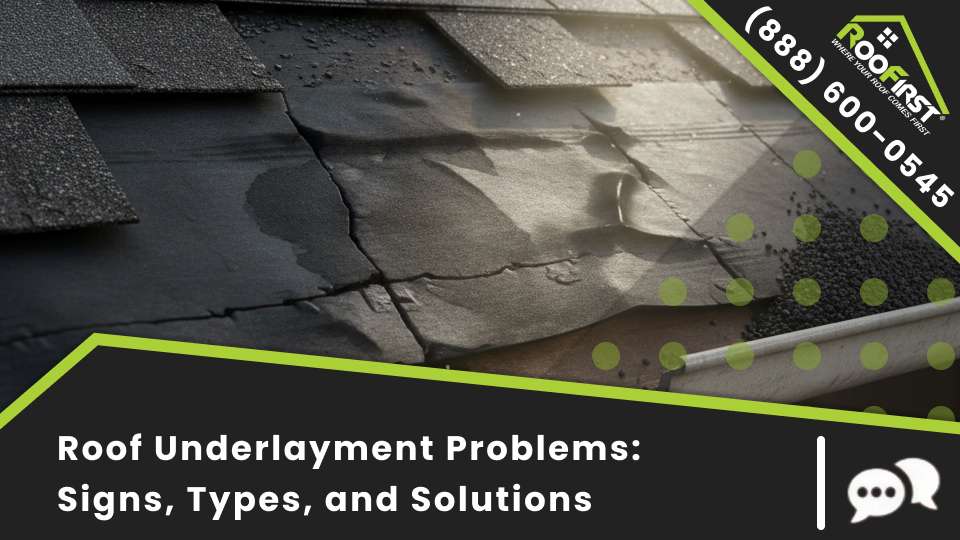
Roof underlayment problems allow water to reach your roof deck and cause hidden damage that homeowners rarely notice until repair costs skyrocket. Identifying roofing underlayment issues early protects your home’s structure from rot, mold, and costly interior water damage. Roof underlayment replacement becomes necessary when the material has deteriorated, torn, or failed beneath your shingles. Furthermore, knowing when to replace your roof underlayment prevents recurring leaks that patching shingles alone cannot fix. Understanding roof underlayment types helps you choose the right material for your climate and roof design. In addition, comparing roofing underlayment materials ensures you get the best protection and longest lifespan for your investment. Roof underlayment damage develops from age, moisture exposure, improper installation, and extreme weather.
Likewise, roof underlayment types like damaged roof underlayment compromises the entire roofing system even when the shingles above look perfectly fine. If your roof leaks despite intact shingles, search for roof underlayment problems near you to get a professional assessment.
What Roof Underlayment Does and Why It Matters
Roof underlayment is a waterproof or water-resistant barrier installed directly on your roof deck beneath the shingles. Specifically, it serves as the last line of defense between your home and water intrusion when roof underlayment problems occur.
Here is why roof underlayment is critical to your roofing system:
- Provides a secondary waterproof barrier beneath the shingles
- Protects the roof deck from moisture that penetrates through shingle gaps
- Guards against wind-driven rain that pushes water sideways under shingles
- Prevents ice dam water from reaching the roof deck and attic
- Adds a temporary weather barrier during roof installation before shingles are placed
- Meets building code requirements in virtually every jurisdiction
Because shingles alone cannot provide a completely watertight seal, underlayment fills the gaps that exist at every seam, nail hole, and overlap. Therefore, failed underlayment leads to leaks that appear to have no visible source on the roof surface can lead to more roof underlayment problems.
Common Signs
Roofing underlayment issues often hide beneath intact shingles making them difficult to detect. Furthermore, the symptoms of roof underlayment damage frequently mimic other roofing problems.
Here are the key signs of roof underlayment problems:
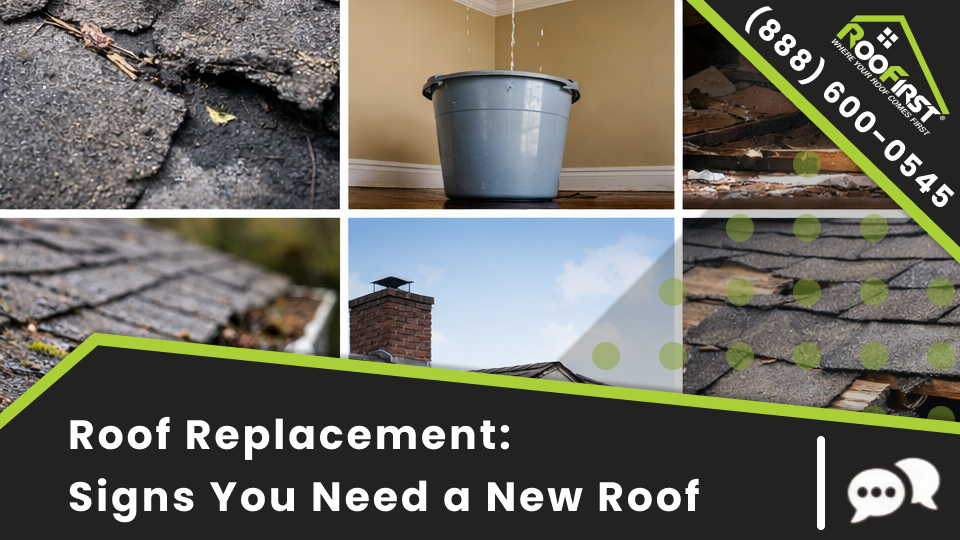
- Water stains on the ceiling or attic despite shingles that appear undamaged
- Also, mold or mildew growth on the underside of roof sheathing in the attic
- Furthermore, a musty smell in the attic that worsens after rain
- Sagging or soft spots on the roof deck visible from inside the attic
- Additionally, peeling paint or bubbling on interior walls near the roofline
- Shingle edges curling or lifting because the underlayment beneath has wrinkled
- Finally, recurring leaks after shingle repairs that should have fixed the problem
Many homeowners replace shingles repeatedly without realizing the underlayment beneath has failed. Consequently, the new shingles leak in the same areas because the real problem was never addressed. Therefore, any persistent leak warrants an underlayment inspection.
Common Causes of Roof Underlayment Damage
Roof underlayment problems develops from several causes that weaken or destroy the barrier over time. Specifically, understanding these causes helps you prevent premature failure.
Age and deterioration Felt underlayment dries out and becomes brittle after 15 to 20 years. Consequently, the material cracks and tears allowing water to pass through. Furthermore, asphalt-saturated felt loses its waterproofing properties as the asphalt evaporates over time.
Moisture absorption Felt underlayment absorbs water when exposed to persistent moisture. As a result, the material wrinkles, buckles, and eventually rots. In addition, trapped moisture between the underlayment and deck promotes wood rot on the sheathing below.
Improper installation Overlaps that are too narrow, missing fasteners, and wrinkled installation create gaps where water enters. Furthermore, damaged roof underlayment often traces back to shortcuts taken during the original roof installation. Moreover, walking on underlayment before shingles are installed can tear the material.
Extreme weather High winds lift shingles and expose underlayment to direct rain and UV radiation. Consequently, UV exposure degrades both felt and synthetic materials over time. In addition, ice dams force water under shingles and test the underlayment’s waterproofing capability at its weakest points.
Nail hole leaks Every roofing nail penetrates the underlayment creating a potential leak point. Furthermore, nails that miss the rafter leave holes that are never sealed by the wood. In addition, overdriven nails tear the underlayment and create larger openings.
Roof Underlayment Types Explained
Understanding roof underlayment types helps with roof underlayment problems and when you choose the best material when replacement is needed. Specifically, each roofing underlayment material offers different durability, waterproofing, and cost.
Asphalt-saturated felt (tar paper) Felt underlayment has been the industry standard for decades. Furthermore, it comes in 15-pound and 30-pound weights with 30-pound being more durable. However, felt absorbs water, wrinkles when wet, and tears more easily than synthetic options. In addition, felt typically lasts 15 to 20 years under normal conditions.
Synthetic underlayment Synthetic underlayment is made from woven polypropylene or polyethylene. Consequently, it does not absorb water, resists tearing, and lays flat without wrinkling. Furthermore, synthetic underlayment lasts 25 to 50 years depending on the product. Moreover, it is lighter and easier to install than felt.
Rubberized asphalt (peel and stick) Self-adhesive rubberized asphalt underlayment bonds directly to the roof deck creating a completely waterproof seal. Specifically, this material is used in vulnerable areas like eaves, valleys, and around penetrations. Furthermore, it seals around nail holes automatically which no other roofing underlayment material can do. However, it costs significantly more than felt or synthetic options.
Choosing the right roof underlayment types depends on your climate, budget, and how long you plan to keep the roof. Therefore, discuss options with your roofer during any replacement project.
Roof Underlayment Replacement Process
Roof underlayment replacement requires removing the existing shingles to access the underlayment beneath. Furthermore, knowing when to replace your roof underlayment helps you plan the project and budget accordingly.
When replacement is necessary:
- The underlayment is more than 20 years old on a felt system
- Also, leaks persist despite intact shingles and flashing
- Furthermore, attic inspection reveals wet or rotted sheathing
- The roof deck shows soft spots when walked on
- Additionally, you are replacing shingles and the underlayment is visibly deteriorated
What the replacement process involves:
- Removing all existing shingles, flashing, and old underlayment
- Inspecting the roof deck for rot and replacing damaged sheathing
- Installing new underlayment with proper overlaps and fastening
- Applying ice and water shield membrane at eaves, valleys, and penetrations
- Reinstalling flashing at all penetrations and intersections
- Installing new shingles over the fresh underlayment system
Roof underlayment replacement costs between 1,000 and 4,000 dollars for underlayment materials and labor alone. However, since shingles must be removed to access the underlayment, most homeowners combine underlayment replacement with a full roof replacement for the best value.
How to Prevent Roof Underlayment Problems
Preventing underlayment problems extends the life of your entire roofing system. Furthermore, most roofing underlayment issues are preventable with proper installation and maintenance.
Here are effective ways to prevent roof underlayment problems:
- Choose synthetic underlayment over felt for longer lifespan and moisture resistance
- Also, ensure proper overlap of at least four inches on horizontal seams
- Furthermore, install ice and water shield at eaves, valleys, and all penetrations
- Schedule annual attic inspections to check for moisture on the underside of the deck
- Additionally, maintain proper attic ventilation to reduce moisture buildup
- Address any shingle damage immediately to prevent underlayment exposure
- Finally, hire experienced roofers who follow manufacturer installation specifications
These preventive steps protect the underlayment from the conditions that cause premature failure. Consequently, proper installation and maintenance keep your underlayment performing for its full expected lifespan.
When to Call a Professional
Some underlayment issues require professional diagnosis and repair. Therefore, contact a roofer for roof underlayment problems near you if any of the following apply:
- Leaks continue despite shingle repairs and flashing maintenance
- Attic inspection reveals moisture, mold, or soft spots on the roof deck
- Your roof is more than 20 years old and has never had the underlayment inspected
- You see wrinkled or buckled shingles that suggest underlayment movement beneath
- You are planning a roof replacement and need guidance on underlayment options
A roof underlayment problems expert near you inspects the attic, evaluates the deck condition, and determines whether the underlayment has failed. Specifically, they check for moisture intrusion, material deterioration, and installation defects that cause recurring leaks. In addition, they recommend the most cost-effective repair or replacement plan based on your roof’s age and condition.
Do not let failed underlayment silently rot your roof deck and damage your home from the inside. Instead, call today to schedule your roof inspection and protect your home with a properly functioning underlayment system.
Phone: (888) 600-0545
Email: info@roofirst.com
Website: https://roofirst.com/