
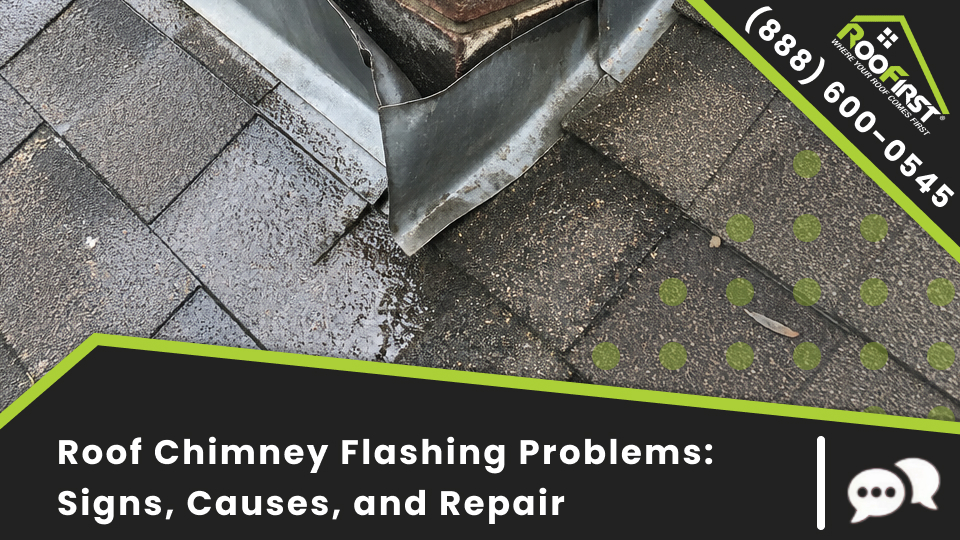
Furthermore, roof chimney flashing problems cause leaks that damage ceilings, walls, and attic structures around the chimney area. Moreover, damaged chimney flashing or deteriorating chimney flashing allows rainwater to penetrate the most vulnerable joint on your roof. Consequently, chimney flashing issues develop from age, weather exposure, and improper installation over time gradually. In addition, chimney flashing repair restores the watertight seal between your chimney and the surrounding roof surface. Similarly, a chimney flashing fix addresses cracks, gaps, and lifted edges before water reaches your interior spaces. Therefore, chimney flashing replacement is necessary when the metal has rusted through or pulled away completely. Specifically, chimney flashing installation with modern materials provides decades of reliable leak protection for your home. Furthermore, if you need chimney flashing repair near you, acting fast prevents costly water damage inside your home.
How Chimney Flashing Works
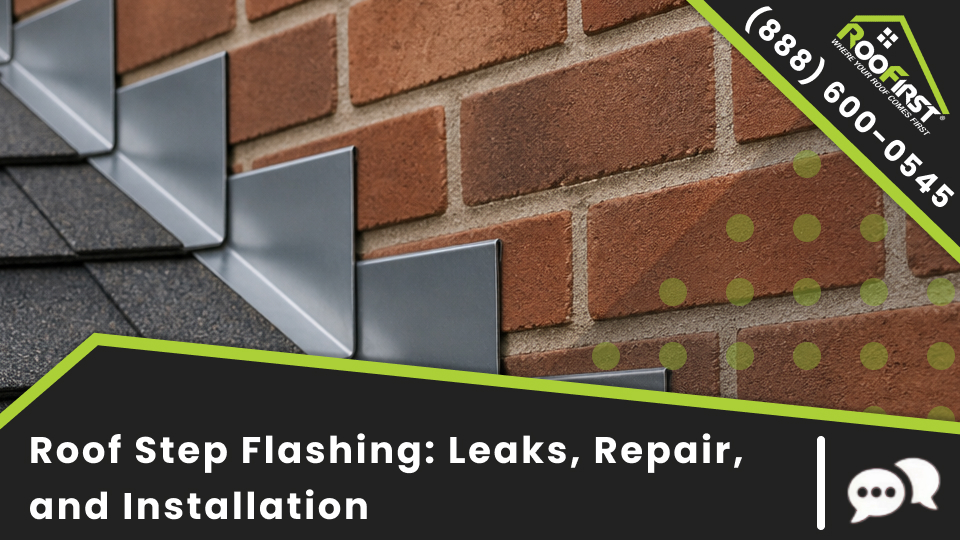
Furthermore, chimney flashing is a system of metal pieces that seal the joint where your chimney meets the roof. Moreover, the system includes step flashing along the sides, base flashing at the front, and counter flashing embedded in the mortar joints. Specifically, these overlapping layers direct water away from the chimney and down the roof surface safely. Consequently, properly installed flashing creates a waterproof barrier at the most leak-prone spot on any roof. Therefore, roof chimney flashing problems compromise this barrier and allow water to enter your home directly.
Signs of Roof Chimney Flashing Problems
Water Stains on Ceilings or Walls Near the Chimney
Furthermore, water stains near the chimney area are the clearest sign of roof chimney flashing problems in your home. Specifically, brown or yellowish marks on drywall indicate water has already penetrated through the flashing system. Moreover, damaged chimney flashing lets water travel along rafters and appear far from the actual leak source. Consequently, interior stains near a chimney always warrant a professional flashing inspection as soon as possible.
Visible Gaps Between Flashing and Chimney
Moreover, visible gaps where the flashing meets the chimney masonry confirm chimney flashing issues that need attention. Specifically, counter flashing should sit tight against the chimney with mortar or sealant holding it in place firmly. Furthermore, deteriorating chimney flashing pulls away from the masonry as old sealant dries and shrinks over time. Consequently, any visible separation between metal and masonry means water is entering during every rainstorm.
Rust or Corrosion on Flashing Metal
Similarly, rust spots or corrosion on the flashing metal indicate the material is breaking down and failing. Specifically, galvanized steel flashing develops rust after the zinc coating wears away from weather exposure. Furthermore, rust holes allow water to pass directly through the flashing onto the roof deck below. Consequently, chimney flashing repair for rusted metal usually means full chimney flashing replacement for lasting protection.
Loose or Lifted Flashing Edges
In addition, flashing edges that have lifted or pulled away from the roof surface create direct water entry points. Specifically, wind can catch lifted edges and peel the flashing further back with each storm that passes. Moreover, lifted step flashing along the chimney sides exposes the underlayment to direct rain and snow contact. Consequently, a chimney flashing fix for lifted edges prevents small problems from becoming major roof leaks.
Common Causes of Chimney Flashing Issues
Age and Weather Exposure
Furthermore, age is the leading cause of chimney flashing issues on homes throughout the country today. Specifically, years of sun, rain, freeze-thaw cycles, and temperature swings degrade flashing materials steadily. Moreover, the National Roofing Contractors Association notes that chimney flashing typically lasts 15 to 25 years. Consequently, deteriorating chimney flashing on older roofs is normal and expected as part of regular maintenance.
Improper Original Installation
Moreover, flashing installed without proper layering or adequate sealant fails much sooner than it should. Specifically, skipping counter flashing or using roofing cement instead of proper step flashing causes early leaks. Furthermore, one-piece flashing that does not allow for thermal expansion cracks as temperatures change seasonally. Consequently, chimney flashing issues from poor installation require professional correction rather than simple patching.
Chimney Settling or Movement
Similarly, chimneys shift slightly over time as foundations settle and mortar joints age naturally. Specifically, even small chimney movement breaks the seal between the flashing and the masonry surface. Furthermore, cracked mortar joints around the counter flashing allow water entry even when the metal itself looks fine. Consequently, roof chimney flashing problems caused by settling often need both flashing and masonry repair together.
Chimney Flashing Repair Options
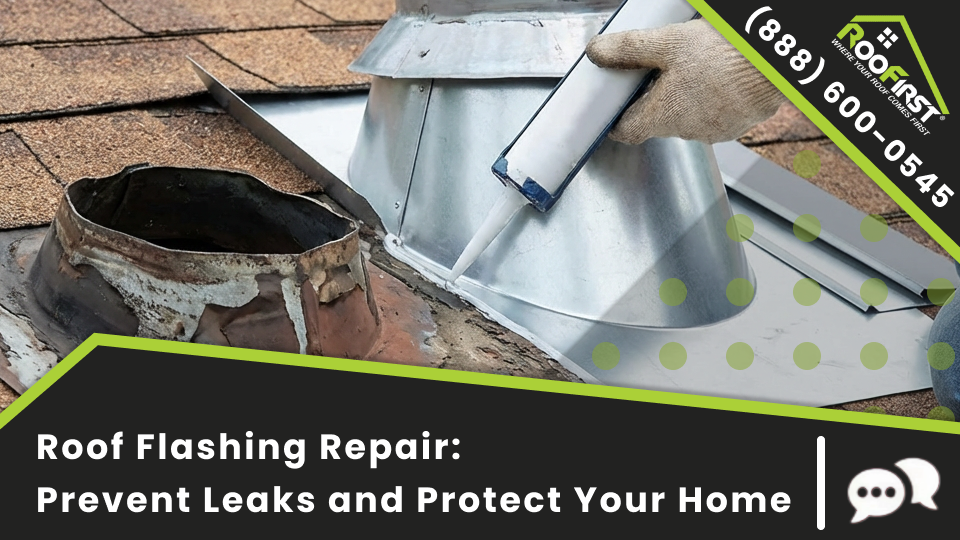
Furthermore, the right chimney flashing repair depends on the type and extent of damage to the system. Moreover, a qualified roofer inspects the step flashing, counter flashing, base flashing, and sealant as a unit. Consequently, patching one area while ignoring damage elsewhere leads to recurring roof chimney flashing problems.
When a Chimney Flashing Fix Is Enough
Moreover, minor chimney flashing issues sometimes respond to targeted repair and resealing work. Specifically, reapplying sealant to small gaps between counter flashing and masonry restores the waterproof barrier. Furthermore, pressing lifted edges back down and securing them with roofing cement stops active leaks quickly. Consequently, a chimney flashing fix for minor damage is affordable and extends the life of your existing flashing.
When Chimney Flashing Replacement Is Necessary
Furthermore, chimney flashing replacement becomes necessary when metal has rusted through or separated extensively. Specifically, damaged chimney flashing with multiple rust holes cannot be sealed reliably for the long term. Moreover, upgrading to copper or aluminum flashing during chimney flashing installation provides superior longevity over galvanized steel. Consequently, chimney flashing replacement is the most reliable solution when the existing system has failed.
What to Expect During Chimney Flashing Installation
Similarly, professional chimney flashing installation involves removing all old flashing materials completely first. Specifically, roofers cut slots in the mortar joints to embed new counter flashing securely into the chimney. Moreover, they install ice and water shield membrane, new step flashing, and base flashing in proper sequence. Furthermore, they seal every joint and test the system to confirm watertight performance before finishing the job. Consequently, proper chimney flashing installation typically takes half a day and protects your home for decades.
Finding Chimney Flashing Repair Near You
Moreover, when searching for chimney flashing repair near you, choose a licensed roofer with chimney experience specifically. Specifically, ask whether they install step and counter flashing separately rather than using one-piece shortcuts. Furthermore, look for contractors with manufacturer certifications and strong local customer reviews for quality. In addition, request references from previous chimney flashing repair jobs for confidence in their work. Consequently, a qualified provider for chimney flashing repair near me arrives with the right materials and expertise.
Similarly, expect a written estimate and detailed scope of work before any chimney flashing repair begins. Furthermore, ask about warranties on materials and labor for the chimney flashing fix or replacement job. Consequently, comprehensive service from a trusted roofer prevents future roof chimney flashing problems.
Preventing Future Roof Chimney Flashing Problems
Furthermore, regular inspection is the best way to catch chimney flashing issues before they cause interior damage. Specifically, have a roofer check your chimney flashing during every annual roof inspection visit without fail. Moreover, clear debris from around the chimney base that can trap moisture against the flashing surface. In addition, inspect the chimney mortar joints annually because cracked mortar undermines even new flashing. Consequently, preventive care extends flashing life and protects your home from costly water damage.
Final Thoughts on Roof Chimney Flashing Problems
Furthermore, roof chimney flashing problems are among the most common sources of roof leaks in residential homes. Moreover, damaged chimney flashing or deteriorating chimney flashing lets water enter at the most vulnerable roof joint. Consequently, whether you need a chimney flashing fix or complete chimney flashing replacement, act before damage spreads. Therefore, contact Roofirst for chimney flashing repair near you today.
Phone: (888) 600-0545
Email: info@roofirst.com
Website: https://roofirst.com/