
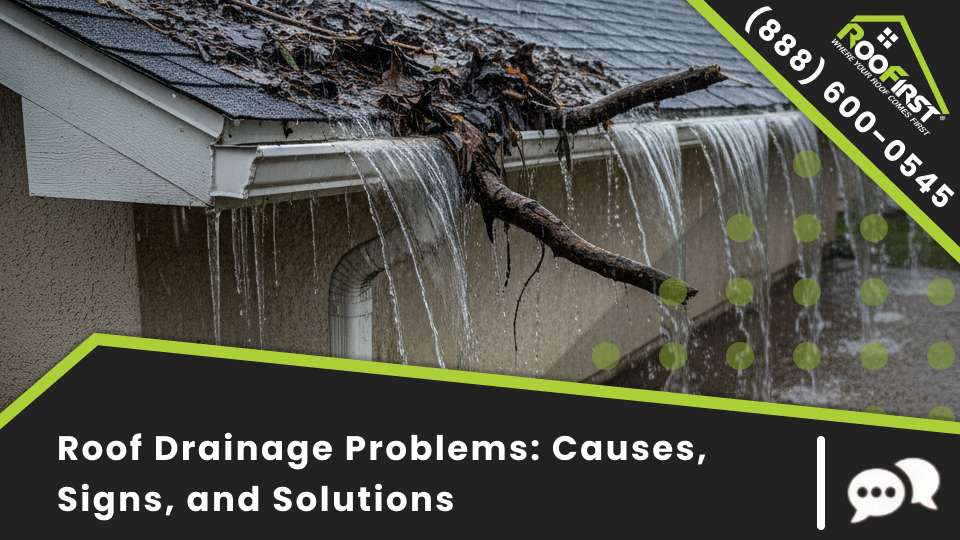
Roof drainage problems allow water to pool on your roof, overflow from gutters, and penetrate your home’s structure causing damage that compounds with every rainstorm. Identifying roof drainage issues early prevents the ponding, leaks, and foundation erosion that poor water management creates over time. Poor roof drainage forces water to find unintended paths off your roof which leads to fascia rot, siding damage, and landscape erosion around your foundation. Furthermore, inadequate roof drainage shortens the lifespan of every roofing component because standing water accelerates deterioration of shingles, underlayment, and decking. Understanding roof drainage solutions helps you address the specific failure in your system rather than treating symptoms. In addition, knowing how to fix roof drainage permanently saves you from repeated repairs that never solve the underlying problem. Your roof drainage system includes the roof slope, valleys, gutters, downspouts, and ground-level extensions that work together to move water.
Likewise, understanding your roof water management system reveals which component has failed when drainage problems develop. If water pools on your roof or overflows from your gutters during rain, search for roof drainage problems near you to get a professional evaluation and roof drainage solutions.
How Your System Works
Your roof drainage system is a connected series of components that move water from the roof surface to a safe discharge point away from your foundation. Specifically, understanding how this system works helps you identify where roof drainage problems originate.
Here is how the drainage system moves water:
- Roof slope directs water downward from the ridge toward the eaves by gravity
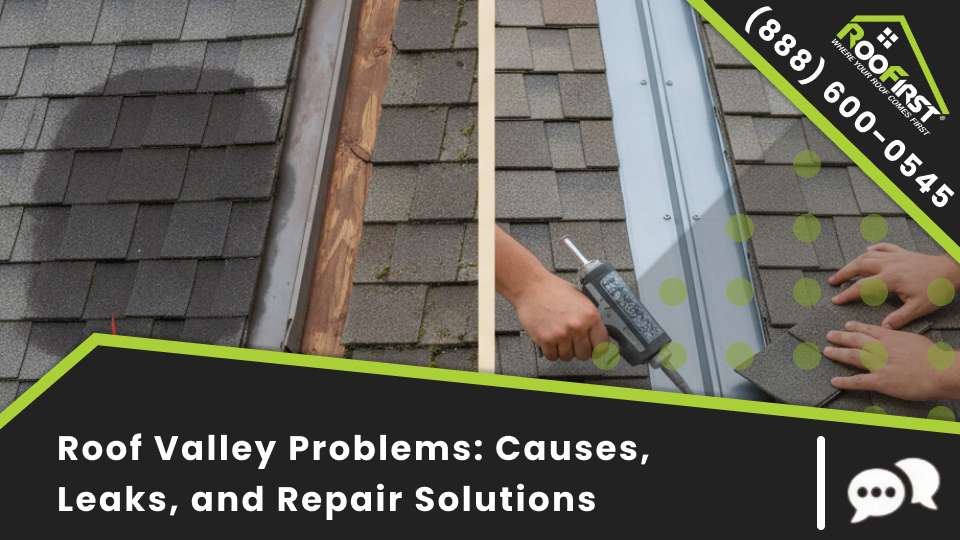
- Valleys channel water from two converging roof planes into concentrated flow paths
- Drip edges guide water off the roof edge and into the gutters below
- Gutters collect water along the entire roof edge and direct it toward downspouts
- Downspouts carry water vertically from the gutters to ground level
- Extensions and splash blocks direct water away from the foundation at ground level
Because each component depends on the one before it, a failure at any point disrupts the entire roof drainage system. Therefore, diagnosing drainage problems requires inspecting every component from the roof surface down to the ground discharge.
Signs of Roof Drainage Problems
Roof drainage issues produce specific warning signs that homeowners can identify during and after rainstorms. Furthermore, catching these signs early prevents the water damage that poor drainage creates.
Here are the most common signs of roof drainage problems:
- Water pooling or ponding on the roof surface that remains hours after rain stops
- Also, gutters overflowing during moderate rainfall even when they appear clean
- Furthermore, water staining or streaking on the fascia boards behind the gutters
- Erosion channels in the landscaping directly below the roof edge or downspouts
- Additionally, water pooling against the foundation after rainstorms
- Sagging or pulling gutters that cannot handle the water volume
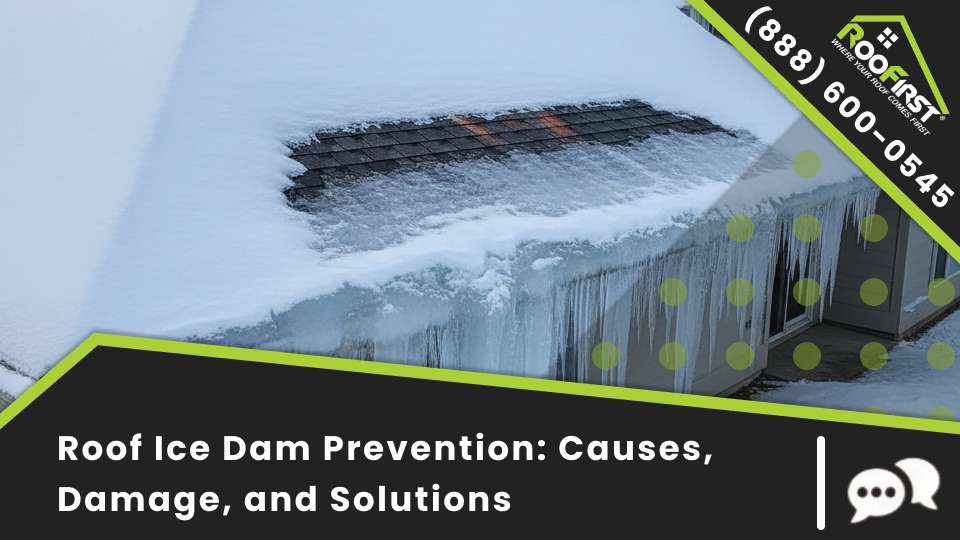
- Ice dams forming along the roof edge during winter months
- Finally, basement or crawl space moisture that increases after rain events
Poor roof drainage often reveals itself through damage far from the actual failure point. Consequently, foundation moisture problems frequently trace back to a roof drainage issue that sends water toward the house rather than away from it.
Common Causes of Roof Drainage Problems
Several factors cause roof drainage issues to develop. Specifically, understanding these causes helps you target the correct component during repair.
Clogged gutters and downspouts Leaves, pine needles, granules, and debris accumulate in gutters and block water flow. Furthermore, a single clogged downspout causes the entire gutter run to overflow. In addition, clogged gutters are the most common cause of roof drainage problems and the easiest to fix.
Insufficient gutter capacity Gutters that are too small for the roof area they serve cannot handle heavy rainfall. Consequently, standard 5-inch gutters may overflow on homes with large roof planes or steep pitches that concentrate water flow. Furthermore, inadequate roof drainage from undersized gutters requires upgrading to 6-inch gutters or adding additional downspouts.
Improper gutter slope Gutters must slope slightly toward the downspouts for water to flow correctly. Furthermore, gutters that have settled, shifted, or were installed level allow water to stand and overflow at low points. In addition, the correct slope is approximately one-quarter inch per ten feet of gutter run.
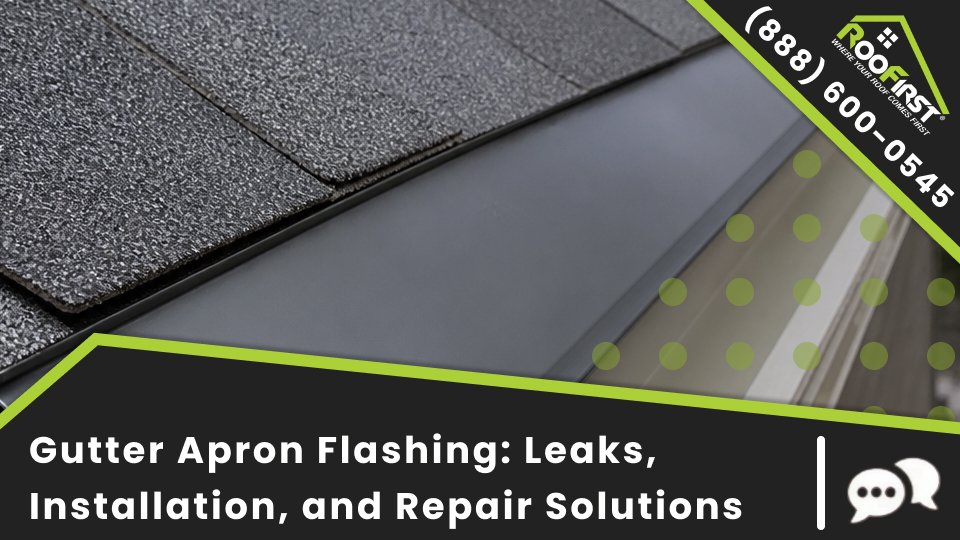
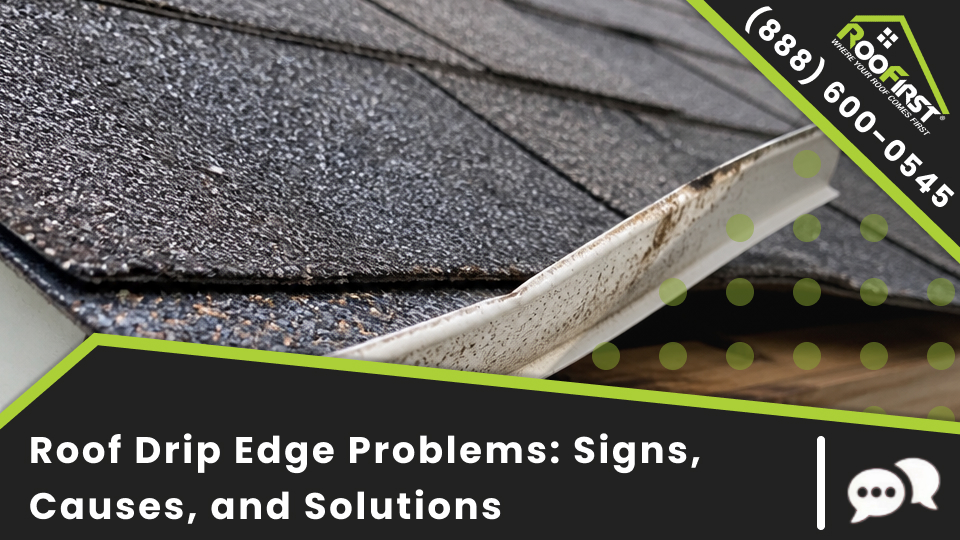
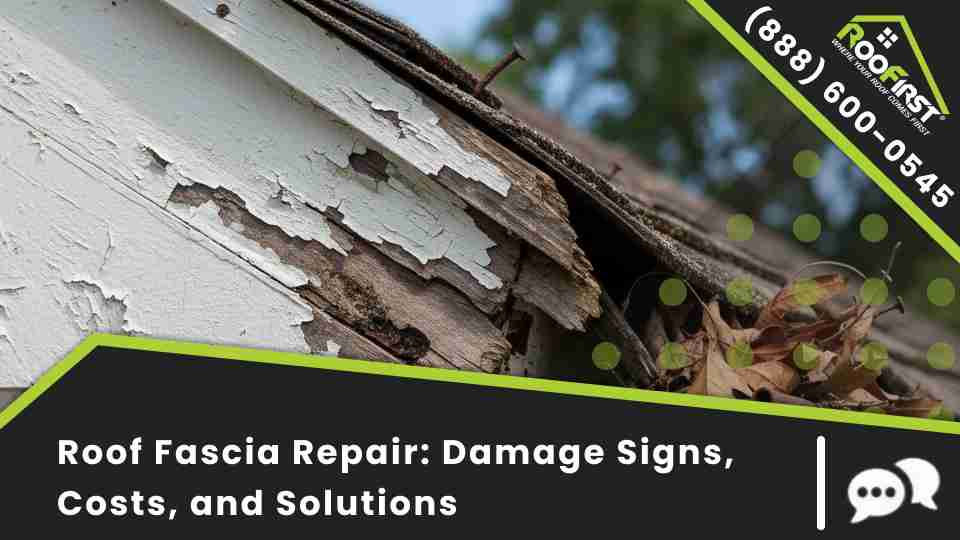
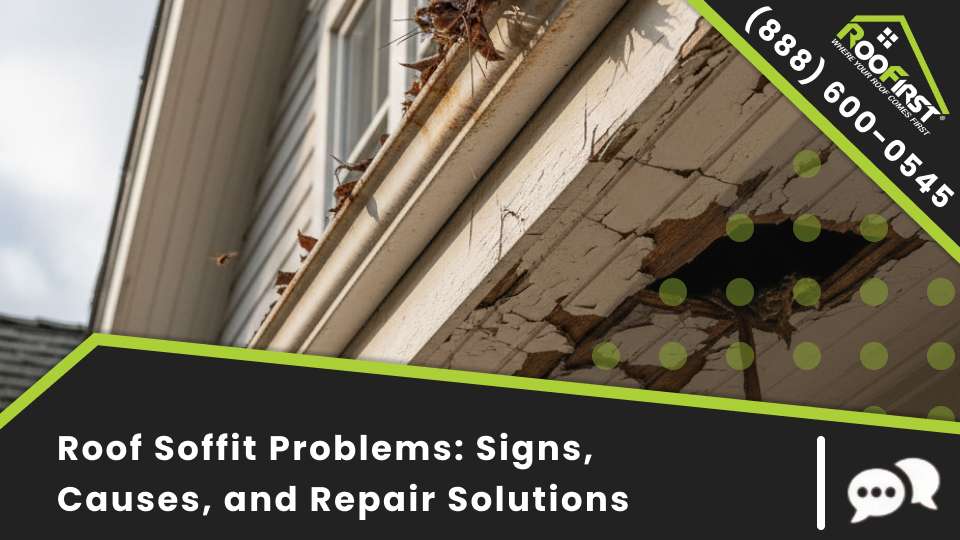
Missing or damaged drip edge Without drip edge flashing, water runs down the fascia board instead of dropping into the gutter. Furthermore, water that bypasses the gutter causes fascia rot, soffit damage, and foundation erosion directly below.
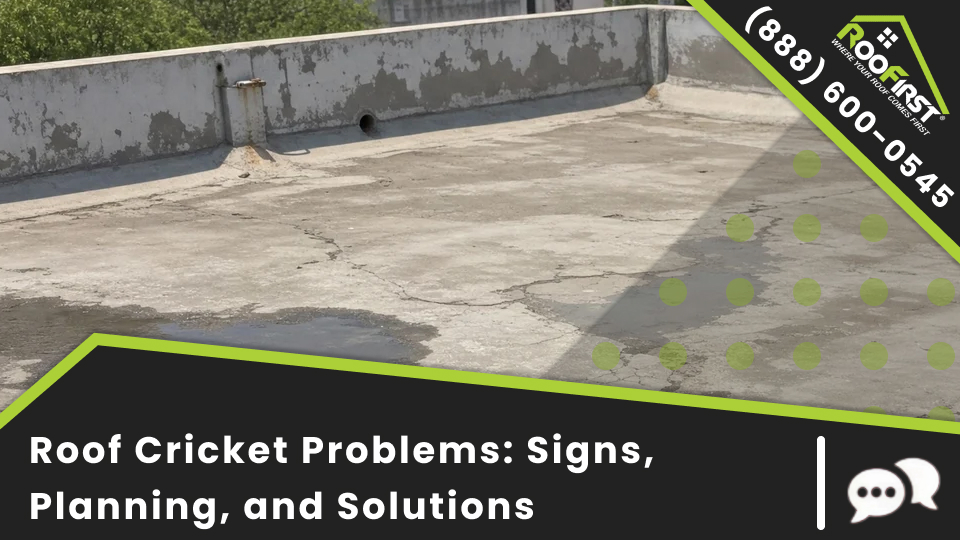
Low slope or flat roof areas Roof sections with insufficient pitch do not drain by gravity and allow water to pond. Consequently, ponding water adds weight stress to the structure and accelerates membrane or shingle deterioration. Furthermore, poor roof drainage on low-slope sections is a design issue that requires specific solutions.
Damaged or disconnected downspouts Downspouts that are cracked, separated at joints, or disconnected from the gutter dump water against the foundation. Furthermore, downspouts that terminate without extensions discharge water too close to the house cause roof drainage issues.
Roof Drainage Solutions
Understanding roof drainage solutions helps you address the specific failure in your system. Furthermore, knowing how to fix roof drainage at each component level ensures the repair actually solves the problem.
Gutter cleaning and maintenance Cleaning gutters twice per year and after major storms removes the debris that causes most overflow problems. Furthermore, installing gutter guards reduces debris accumulation and extends the time between cleanings.
Gutter resizing and additional downspouts Upgrading from 5-inch to 6-inch gutters increases capacity by approximately 40 percent. Furthermore, adding downspouts reduces the distance water must travel along the gutter which prevents overflow during heavy rain.
Gutter slope correction Adjusting the gutter hangers to restore proper slope toward the downspouts eliminates standing water and overflow at low points. Furthermore, slope correction costs between 100 and 300 dollars for a professional adjustment.
Drip edge installation Installing drip edge flashing along the roof edge directs water cleanly into the gutter. Furthermore, drip edge is inexpensive and prevents the fascia rot that missing drip edge causes over years of rain exposure.
Downspout extensions and drainage Adding extensions that carry water at least four to six feet from the foundation prevents erosion and moisture intrusion. Furthermore, underground drainage pipes connected to downspouts provide the most effective long-term roof water management solution.
Tapered insulation for flat roofs Low-slope or flat roof sections that pond water benefit from tapered insulation that creates artificial slope directing water toward drains. Furthermore, this solution eliminates ponding without requiring structural changes to the roof.
How to Prevent Roof Drainage Problems
Preventing drainage problems protects your roof, walls, and foundation from water damage. Furthermore, most roof drainage issues are preventable with regular maintenance.
Here are effective ways to prevent roof drainage problems:
- Clean gutters at least twice per year in spring and fall
- Also, inspect downspouts for clogs by running water through them during cleaning
- Furthermore, verify gutter slope by checking for standing water after rain
- Trim tree branches that hang over the roof and drop debris into gutters
- Additionally, check downspout extensions after mowing or landscaping to ensure they remain in place
- Inspect drip edge for damage or gaps during annual roof inspections
- Finally, monitor the foundation perimeter for erosion or water pooling after storms
These preventive steps catch drainage failures before they cause water damage to your roof structure, walls, or foundation.
When to Call a Professional
Some drainage problems require professional diagnosis and repair. Therefore, contact a professional for roof drainage problems near you if any of the following apply:
- Water pools on the roof surface and does not drain within 48 hours after rain
- Gutters overflow during moderate rain despite being clean
- Foundation moisture or basement water issues worsen after storms
- Fascia or soffit boards show signs of rot from water contact
- You need gutter resizing, additional downspouts, or underground drainage installed
- Ice dams form along the roof edge every winter
A roof drainage problems expert near you inspects every component from the roof surface to the ground discharge point and identifies where the system is failing. Specifically, they evaluate roof slope, gutter capacity, downspout placement, and ground-level drainage to provide a complete solution. In addition, they address any water damage that has already occurred from the drainage failure.
Do not let poor drainage silently damage your roof, walls, and foundation. Instead, call today to schedule your drainage assessment and protect your home from water damage.
Phone: (888) 600-0545
Email: info@roofirst.com
Website: https://roofirst.com/